press
Submitted on 2026-02-02
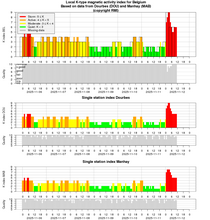
Communiqué de presse du Solar-Terrestrial Centre of Excellence, le Centre de Météorologie Spatiale Belge, suite aux éruptions solaires extrêmes du 1er et du 2 Février 2026.
Submitted on 2026-02-02
Nieuwsflash van het Solar-Terrestrial Centre of Excellence, het Belgisch Ruimteweercentrum naar aanleiding van de extreme zonnestormen van 1 en 2 februari 2026
Submitted on 2025-11-12
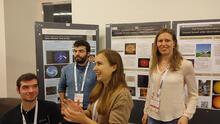
November 12, 2025, very early in the morning. Colleagues from the STCE, the Belgian Space Weather Centre, admire the northern lights from their terrace in Brussels and are amazed by the spectacle of colors.
Submitted on 2025-06-16
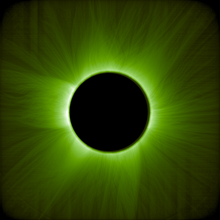
This is the image of the duo-satellite Proba-3 making solar eclipses, released by the European Space Agency, ESA.
NL - FR
Submitted on 2024-12-05
NL - FR
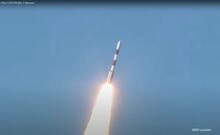
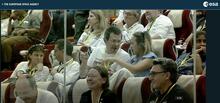
“Signal received” After a smooth launch that was postponed by one day, operators and scientists waited to receive a first sign of life from the Proba-3 satellites.
Submitted on 2024-11-29
NL - FR
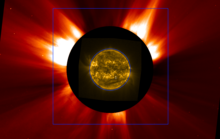
Proba-3 is the latest ESA mission to be launched in December, 2024. The exploitation of ASPIICS, the instrument imaging the solar corona, is in the hands of the Royal Observatory of Belgium (ROB), where the associated scientific research will also be coordinated.
Submitted on 2024-11-18
NL - FR
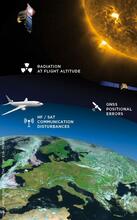
November 2019: The Solar-Terrestrial Centre of Excellence (STCE) launches an unprecedented service that alerts pilots and air traffic controllers.
Submitted on 2024-10-09
NL - FR - EN
Press release by the STCE on the strong solar storm of October 9.
Submitted on 2023-08-23
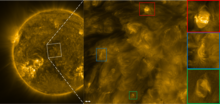
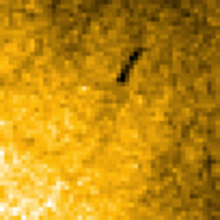
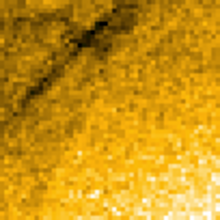
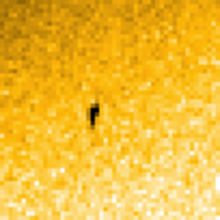
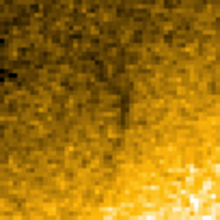
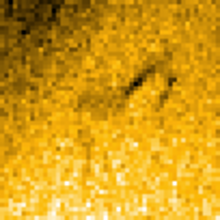
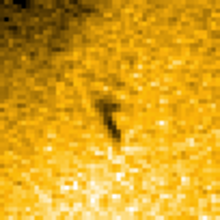
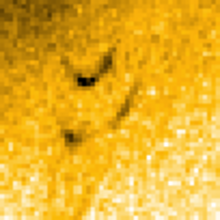
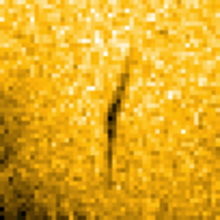
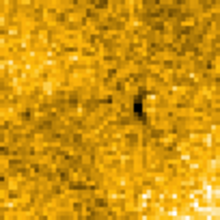
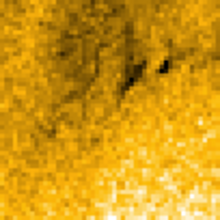
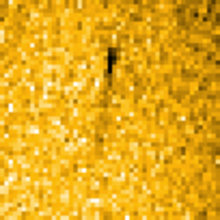
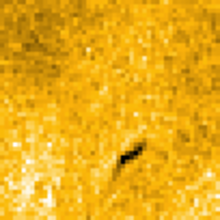
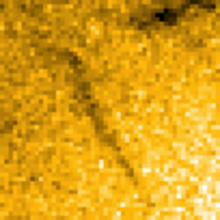
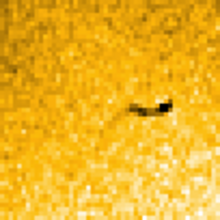
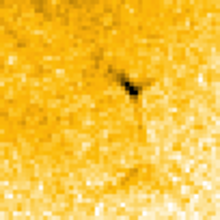
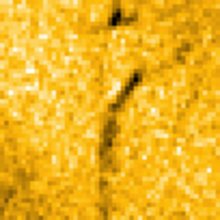
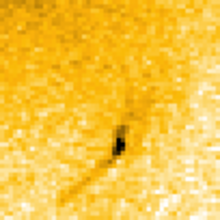
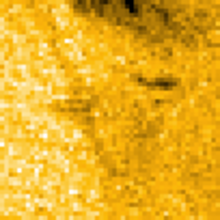
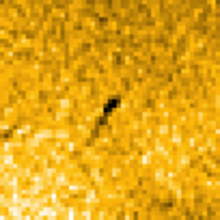
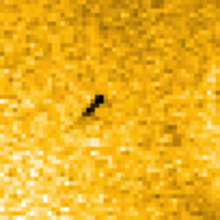
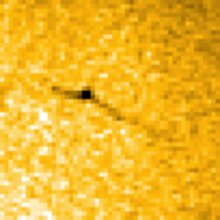
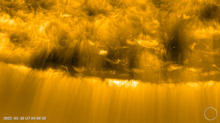
ESA’s Solar Orbiter spacecraft has discovered a multitude of tiny jets of material escaping from the Sun’s outer atmosphere. Each jet lasts for between 20 and 100 seconds, and expels plasma at around 100 km/s. These jets could be the long-sought-after source of the ‘solar wind’.
Submitted on 2023-07-25
A joint scientific team led by the Royal Observatory of Belgium (ROB) and the KU Leuven has found that high-frequency magnetic waves could play an essential role in keeping the Sun’s atmosphere at millions of degrees. This finding sheds a new light on the most intriguing solar mystery: what makes the Sun’s atmosphere hotter than its surface?
Pages
Zircon - This is a contributing Drupal Theme
Design by
WeebPal.





 ©2026 Royal Observatory of Belgium. All rights reserved.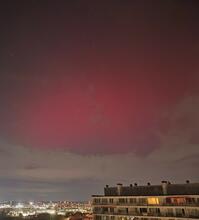



 Français
 Nederlands