news
Submitted on 2026-05-19
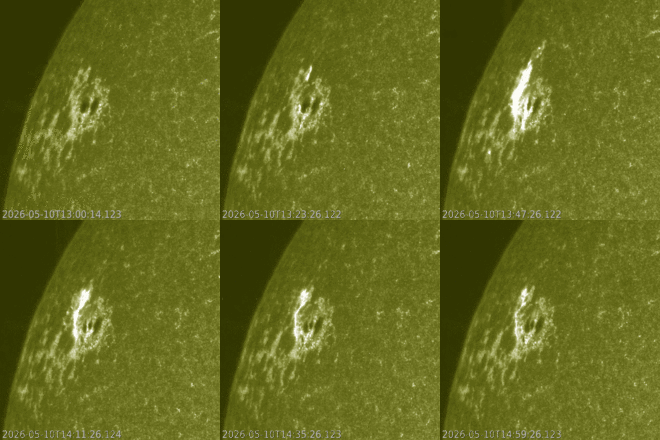
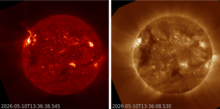
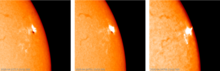
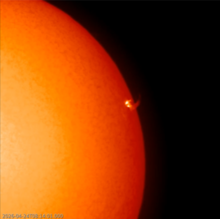
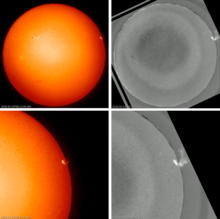
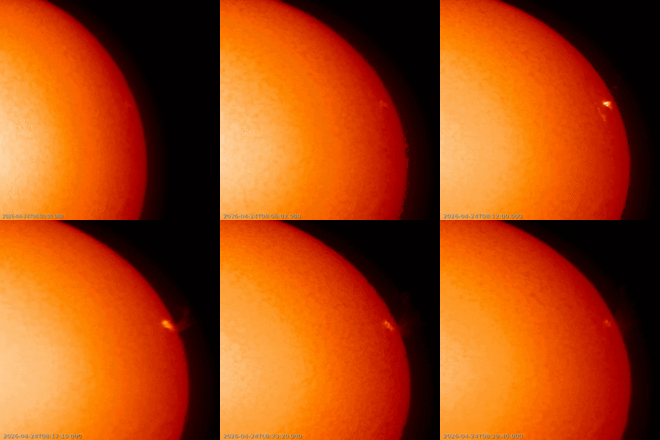
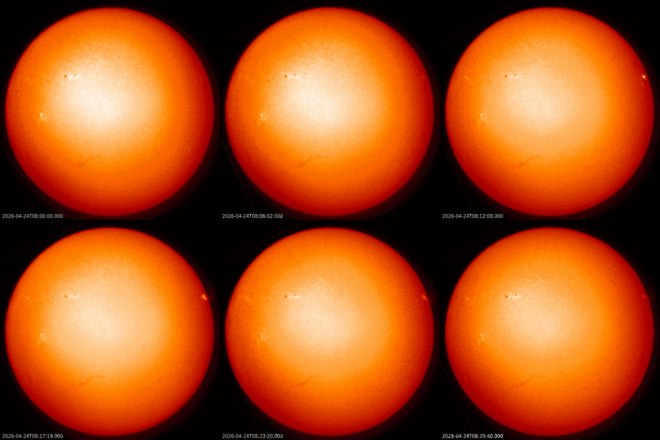
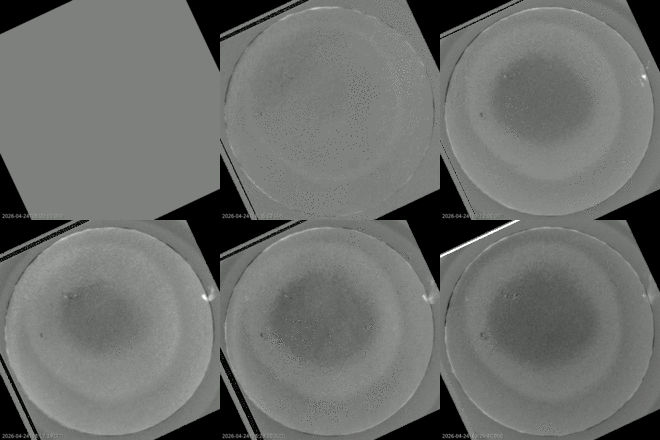
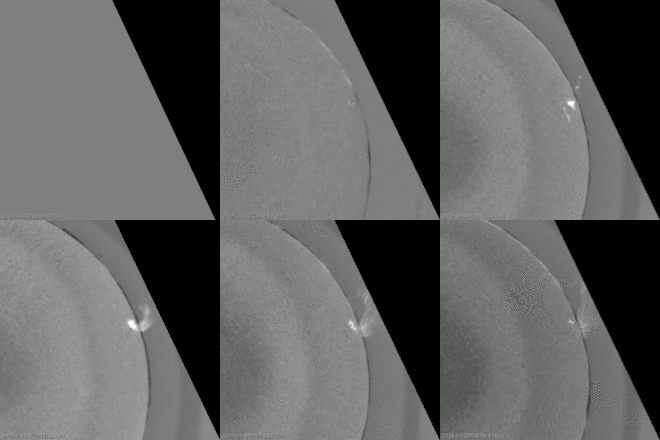
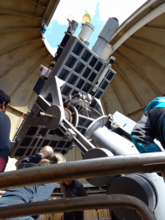
Despite bad seeing conditions, the H-alpha solar telescope of the ROB/USET was able to observe the X-class flare of 24 April.
Submitted on 2026-05-12
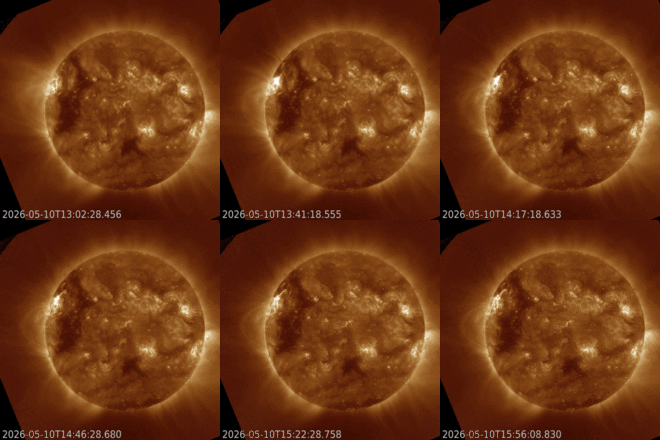
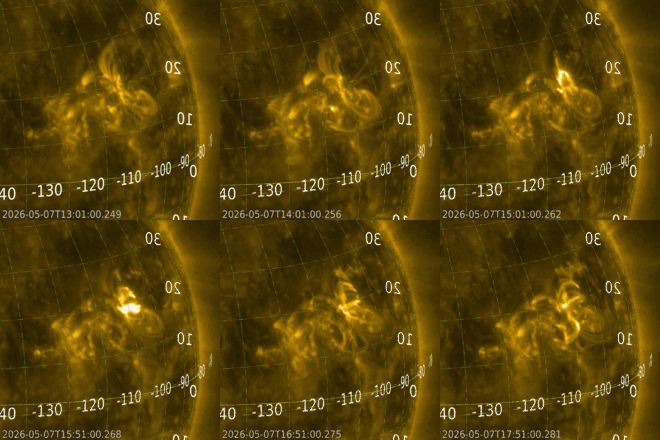
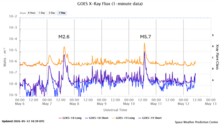
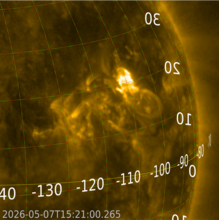
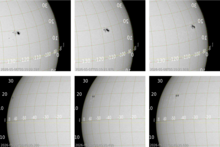
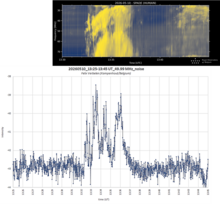
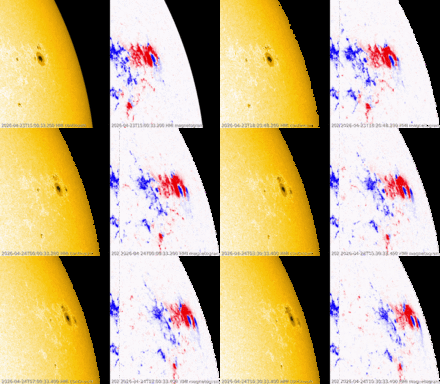
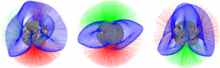
Multi-vantage point observations, using combined imagery from multiple spacecraft and ground stations, shed light on some puzzling aspects of the evolution and flare activity of NOAA 4436.
Submitted on 2026-05-06
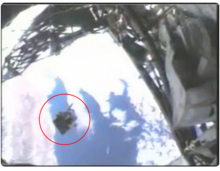
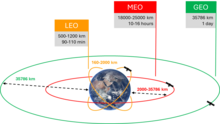
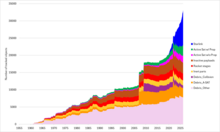
Currently, there are more than 30.000 tracked objects moving in a Low Earth Orbit. More than half are space debris and may pose a threat to the operational satellites and payloads.
Submitted on 2026-04-24
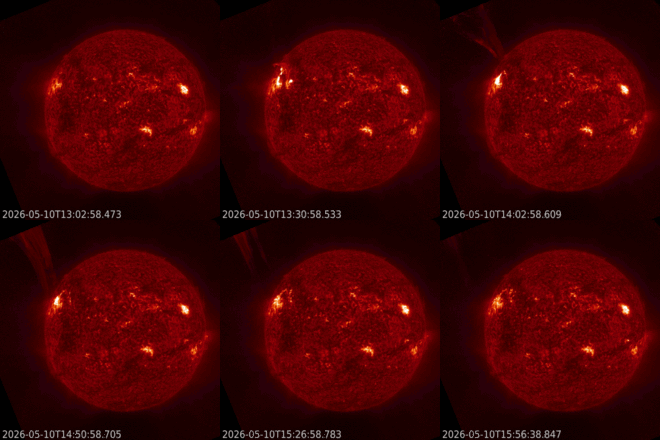
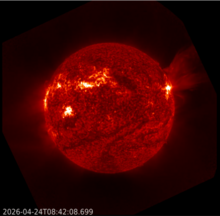
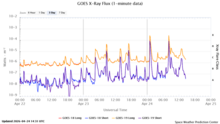
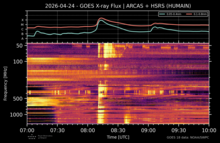
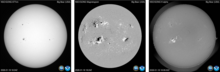
SIDC Sunspot Group 825 (NOAA Active Region 4419) was the source of 2 X-class flares produced on 24 April. The analysis of the associated CMEs is ongoing.
Submitted on 2026-04-22
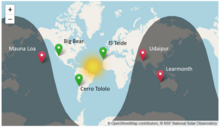
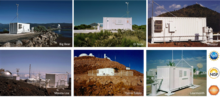
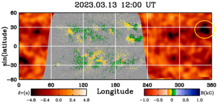
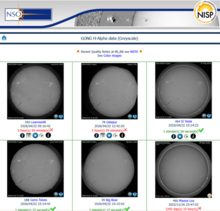
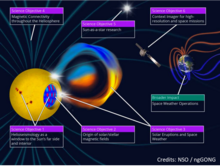
GONG, the Global Oscillation Network Group, is celebrating its 30 years of providing high-quality helioseismic and magnetic data for the benefit of solar physics and space weather research.
Submitted on 2026-04-14
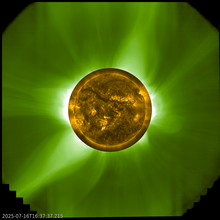
The Belgian-led ASPIICS coronagraph aboard ESA’s Proba-3 mission reveals a dynamic birthplace of the solar wind. Observations made by the ASPIICS coronagraph reveal a world of small-scale activity in the Sun’s inner corona, according to a new study led by the Royal Observatory of Belgium.
Submitted on 2026-04-09
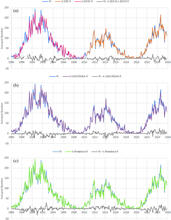
An interesting paper has been published end 2025: 'An independent assessment of the International Sunspot Number since 1996'.
Submitted on 2026-04-07
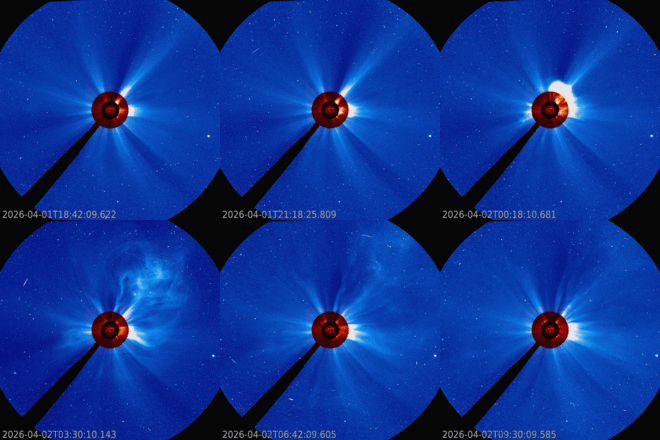
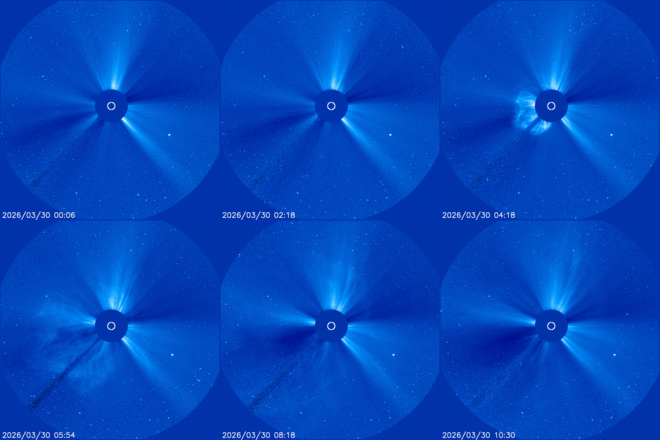
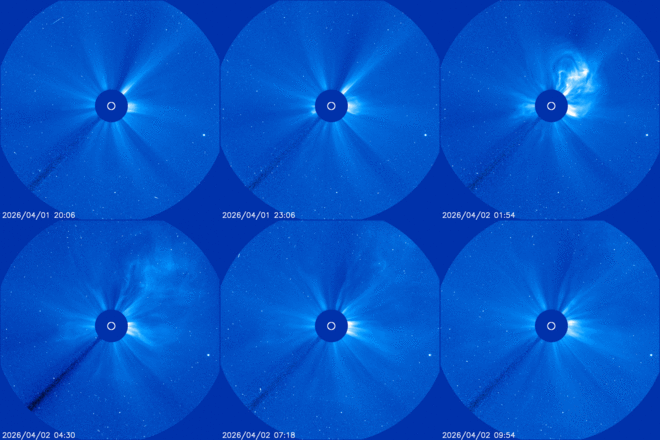
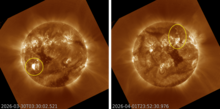
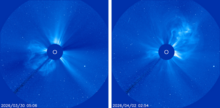
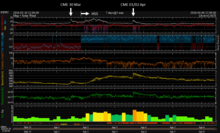
Two earth-directed coronal mass ejections surprised space weather forecasters with their arrival time and geomagnetic impact. The first one passed almost unnoticeable, the second one eventually resulted in a strong geomagnetic storm.
Submitted on 2026-04-03
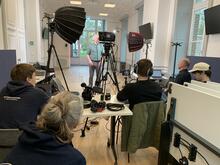
Ever wondered what exactly we do at the STCE?
Yana, Hervé, Marie, Mark and Tobias are here to tell you.
Pages
Zircon - This is a contributing Drupal Theme
Design by
WeebPal.






 ©2026 Royal Observatory of Belgium. All rights reserved.